Longevity Boosters: Expanding the Life of Your Interlocking Driveway Paving Installation
Interlocking pavers are among the unusual building materials that can look far better with age, given they were installed appropriately and looked after with a light, consistent touch. When I satisfy house owners frustrated by sinking corners or loose joints on a driveway that is only 5 years of ages, the root cause often traces back to basics. Excellent water management, a secure base, correct side restraint, and joint stability do a lot of the heavy training. Maintenance is not made complex, but it needs to be timely and right. Obtain those appropriate and a Driveway Paving Setup can run decades with only minor tune ups, even in freeze and thaw climates. The exact same principles apply to a Sidewalk Paving Installment, though the risks and loads change.
What complies with is sensible support from the field, consisting of the decisions that settle throughout installment and the behaviors that maintain pavers limited, clean, and silent underfoot.
What Really Falls short on Interlocking Pavers
It helps to name the normal offenders. Pavers themselves seldom fail. Concrete or clay devices are solid sufficient for lorry lots. Problems show up in the layers and the edges.
- Loss of joint sand permits pavers to wiggle, which accelerates edge failure and racking. Without sand, the system stops acting as a solitary floor covering and individual systems begin moving.
- Base settlement produces dips, birdbaths, and running water joints. You see it initially along wheel paths or where a downspout dumps.
- Edge restriction changes outward from freeze heave or tire pressure, typically at driveway aprons, contours, and corners.
- Drainage mistakes saturate the base. Water that can not leave will certainly pump fine bits up with joints, creating gaps below and silt above.
- Deicers and plow blades deteriorate the surface area appearance and abrade sand from joints. A lot of damage is cumulative over several winters months, however a single bad season can undo years of good care.
If you concentrate your maintenance around those factors, the remainder is mostly aesthetics.
The Structures of Long life Beginning on Day One
Maintenance can not fix a badly built base, so it is worth recognizing what a sturdy develop looks like. Whether you are reviewing a professional's proposition or checking the work currently done, a couple of specifications forecast life expectancy much better than any type of brand name.
Depth and gradation of the base. For a typical guest lorry driveway in a pleasant climate, I aim for 6 to 8 inches of compressed, open graded base aggregate, commonly called 3/4 inch clear rock, over a steady subgrade. In frost areas or clay soils, 8 to 12 inches is more secure. Open graded base drains faster than dense rated base. Faster drainage implies less frost heave and less pumping. For a Walkway Paving Installation, 4 to 6 inches is typically plenty unless it borders a driveway or brings hand truck loads.
Geotextile. A woven or nonwoven geotextile between subgrade and base quits fine soil from migrating up. I consider it inexpensive insurance coverage on any type of clay or silt subgrade. It likewise assists disperse tons across soft pockets.
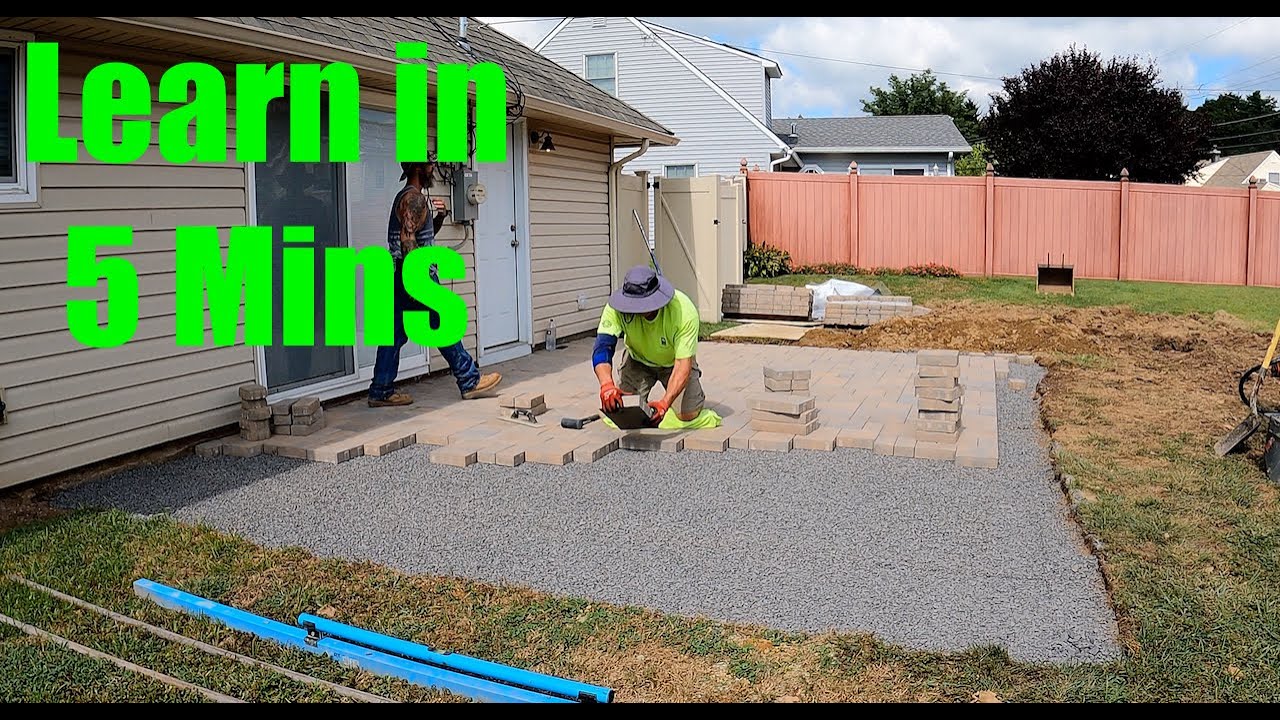
Compaction and moisture control. Compaction is not an event, it is a process. Area base in 2 to 3 inch lifts, compact each lift with a plate compactor, and examination it underfoot. If you leave heel marks, it is not compacted. Bedding sand rests above the compacted base, traditionally 1 inch of concrete sand or a produced matching. Maintain it uniform and do not drive the compactor directly on loose sand without pavers on top.
Edge restraint, thoughtfully installed. Plastic side restraints with 10 inch spikes are common, however they have to rest on the compacted base, out the loose bed linens. In high anxiety areas, a concrete aesthetic or a surprise concrete toe stands up better. At apron transitions, link the paver edge into the concrete with a mechanical secret or a soldier program bedded in mortar over a ground. That is where I see the most slipping from transforming tires.
Pattern and unit dimension. Car surfaces gain from interlock in two directions. Herringbone at 45 or 90 degrees withstands transforming much better than running bond. Larger layout slab pavers can work, yet the base must be near excellent and the sides solid. For limited curves or steep inclines, small units knit with each other more securely.
Permeable variations. If you chose a permeable system, your upkeep focus shifts to joint stone sanitation and infiltration. The base is thicker, commonly 12 to 18 inches of open graded stone layers. Done right, a permeable driveway takes care of freeze and thaw beautifully, however you must protect it from sediment.
Good installers deal with these details as nonnegotiable. If your driveway predates these standards, do not panic. Numerous issues are functional. The quicker you proper water and sides, the longer the repair service lasts.
A Simple, Seasonal Maintenance Rhythm
The most resilient driveways I maintain follow a rhythm that barely qualifies as a job list. The factor is to disrupt little issues prior to they grow teeth.
- Spring: Inspect after thaw. Look for sand loss, tipped borders, or new dips. Tidy and re-sand joints that have opened up. Examine downspouts and close-by beds for washout courses. Place reward moss or algae if the driveway is shaded.
- Early summertime: Deep tidy to eliminate winter months grit and any kind of deicer residue. Consider a light sealer refresh just if water no more beads and the surface area looks chalky. Top up polymeric joints in high website traffic zones.
- Mid autumn: Last rinse, leaf discolor prevention, and a fast pass with a blower to clear organics. Verify joint sand is within 1/8 inch of the chamfer ahead of freeze season.
- Pre-storm preparation: Mark borders for snow elimination and established blade or snowblower skids to avoid scuffing paver sides. Stock a paver secure deicer if you use them at all.
Most of this takes a number of hours once or twice a year for a common 800 to 1,200 square foot driveway. You do not need to baby it. You do require to be consistent.
Cleaning Without Stripping the Life Out of It
I have actually seen a lot more damage from overzealous pressure washing than from 10 winter seasons of salt. High stress intended near to the surface burn out joint sand and roughes up the face of the paver, which after that takes dirt faster. If you should utilize a washing machine, maintain pressure around 1,200 to 1,500 psi, hold the wand no closer than a foot off the surface, and utilize a rotating surface cleaner to level the pass. Frequently, a tight mop, a yard hose pipe, and a light cleaning agent do just as well.
Stains tell their tale if you look closely. Oil places respond to an oil emulsifying cleaner and patience. Apply, let dwell, agitate, and rinse. For corrosion, utilize a paver safe corrosion eliminator that does not contain hydrochloric acid. Organic discolorations like fallen leave tannins lighten with time with sunlight, but an oxygenated cleaner rates the process. Constantly examination in a little location. If the concrete paver surface area looks blonde after cleaning up, stop and weaken your method.
Efflorescence, the white haze some pavers develop, comes from salts moving to the surface. Oftentimes it dissipates by itself after a season of rain. If it continues, a dedicated efflorescence cleaner removes it, however leave that for dry climate and follow the item timing closely. Do not seal over active efflorescence. You trap the salts and the haze returns.
The Sealant Concern, Answered With Nuance
Sealer is not a magic shield. It is a tool. It can minimize staining, maintain joint sand, and enrich color. It can additionally make a driveway unsafe, trap dampness, and develop a maintenance cycle you did not need. I suggest customers to delay any sealant for at the very least 3 to 6 months after installation so dampness can run away and efflorescence complete its early cycle. For many driveways, especially those completely sunlight with good grading, that initially year without sealer is the best examination. If you like the all-natural appearance and staining has not been an issue, you can miss sealant entirely.
If you do choose to seal, prefer breathable, film creating products developed for pavers, not generic masonry sealants. Water based acrylics have actually improved markedly in the previous decade and are simpler to recoat than solvent based options. Passing through sealants safeguard versus water and oil without a shine, but they do bit for color. Gloss or semi gloss boosts shade but can highlight irregular jointing and becomes glossy when wet unless you relay a great grit throughout application. Anticipate recoat cycles of 2 to 4 years depending upon sun direct exposure and traffic. The price for quality sealant and products lands around 0.40 to 0.80 dollars per square foot if you use it on your own, a lot more if you employ it out.
One a lot more information. Do not seal over unclean joints or damp pavers. Moisture entraped under sealant can turn milky or peel. Select a stretch of completely dry weather condition, validate the surface area moisture is below producer limitations, and work in the shade where possible to prevent flash drying.
Joint Sand: Tiny Grains, Huge Role
When joints are full and limited, the system acts like a solitary floor covering under your tires. When they are hollow, pavers shift, the bed linens sand breaks loose, and edges show stress and anxiety. You maintain joint stability by topping up as quickly as you observe gaps. There is absolutely nothing heroic concerning it. It is a habit.
Polymeric sand, which solidifies when moistened, has actually come to be the most likely to in driveways, and forever reason. It resists washout and weeds far better than typical concrete sand. However it is not concrete. It stays somewhat versatile and needs the right amount of water to trigger. Inadequate and the top crust sets while the core remains loose. Way too much and the polymers float out, leaving a sticky mess.
Here is a brief, area examined procedure that has actually stood up for me.

- Clean and completely dry: The surface should be bone dry. Utilize a blower to evacuate dirt from joints. If a couple of joints are damp, wait. Polymeric sand punishes impatience.
- Fill and shake: Sweep sand into joints, after that run a plate compactor with a neoprene mat over the surface area to shake the sand down. Top up and repeat till joints are filled up to regarding 1/8 inch below the chamfer.
- Remove dust: Blow or sweep all residue off paver faces. Any kind of film left behind will certainly set into a noticeable haze.
- Mist patiently: Use a great mist to wet the joints in numerous light passes, enabling the water to permeate without merging. Adhere to the item's coverage and timing, typically 2 or 3 passes spaced a few minutes apart.
- Protect the cure: Deflect the area for the recommended treatment time, typically 12 to 24-hour for foot traffic and longer for vehicles.
Done carefully, a resanding holds for several seasons. Expect to take another look at high tension corners and the very first 6 to 10 feet near the street regularly. For permeable setups, do not use polymeric sand. Use the defined rated stone and keep infiltration.
Keeping Water as a Good friend, Not a Foe
Water either goes through the system or around it. Issues emerge when it beings in it. Watch where your roofing downspouts discharge. If they drop water within a couple of feet of the driveway, expand them under the pavers or over to a bed. I have seen driveways that were flat and true for 10 years instantly establish a rut along a wheel path after a new seamless gutter sent a river throughout the face.
Grading should move water off the surface area at 1 to 2 percent. In technique, you can feel that with a level or a ball examination. If water sticks around after a rainfall in greater than a superficial film, intend an improvement. Cutting a high place or communicating a low area with a touch much more bedding sand is not a huge job. Left alone, those birdbaths imitate silt traps that then deprive the bed linens of support.
If your dirt holds water, take into consideration a very discreet French drain together with the driveway, or at least a gravel alleviation trench in growing beds that surround the pavers. Roots love water and air. Which brings us to the following point.
Roots, Plants, and Edges That Stay Put
Tree roots do not look for pavers. They look for oxygen and moisture. Mulch and growing beds along edges often provide both. If you set up new beds, line the border with an origin obstacle or provide origins space away from the side. For existing trees, an arborist can suggest on discerning root pruning that safeguards the tree and your driveway. I have actually protected more than one fully grown maple by trimming a couple of exploratory origins and improving water drainage, instead of criticizing the pavers.
Edges stop working mostly at shift areas where various materials satisfy. A traditional instance is the joint in between pavers and asphalt at the road. Asphalt heats up and cools down much more dramatically, after that pushes versus the pavers. A soldier program with a covert concrete toe withstands that force better than a straightforward plastic restriction. If you see the first hint of exterior creep, address it quickly. It is much easier to reset a few side devices than to draw back a whole program after a period of movement.
Winter Care That Maintains Structure and Joints
Deicers are a compromise. Sodium chloride is hard on steel and surrounding plants, but it is gentler on concrete pavers than calcium chloride at comparable focus. Magnesium chloride beings in the center. Calcium magnesium acetate is kinder to surface areas and plants, however it is a lot more expensive and functions finest at moderate cold. With any type of deicer, dosage issues. Apply moderately, allow it function, and mechanically get rid of slush. Sand uses traction without chemistry and gets along to pavers, however you will certainly require to move it in spring.
Snow rakes and blowers do even more cosmetic damages than chemistry when used thoughtlessly. Fit rake blades with polyurethane or rubber edges. Raise the blade slightly to stay clear of scuffing across chamfers. On snowblowers, set skid footwear to leave a slim movie. Many clients choose a tip of snow left behind to a breakout of nicked edges in March.
Sealed pavers can become slick in freeze and thaw cycles. If you went with a high gloss sealer, think about a grip grit additive the next time you recoat, especially on slopes.
Heavy Loads, Switching Forces, and Smart Use Patterns
Driveways stand up ideal when tons paths are predictable. If you routinely park a heavy pick-up, a RV, or obtain pallet deliveries, offer those areas a little added love. A herringbone pattern under turning radiuses withstands scuffing. Where you back and transform, a denser edge restriction or a concrete buttocks pays rewards. For huge format pavers, be especially careful regarding tight turns with studded tires. The edges can spall under torsion. If you are planning a brand-new Driveway Paving Installation and your lifestyle includes regular trailer car parking, ask your installer to enlarge the base in the very first 10 feet from the road and under typical turn arcs. An extra 2 inches of stone is unseen and extremely effective.
When and How to Lift and Relay
A healthy worry of lifting pavers keeps lots of people dealing with dips that are very easy to fix. If a local area has actually settled, you can pull up those devices, add or regrade bed linens sand, and communicate them. The method is to begin at a seam or border, get rid of the first item with care, after that zipper the rest out. Conserve the joint sand. Tidy the bed linens, add a measured 1/4 to 3/8 inch of sand to raise a shallow dip, screed it flat, and reconstruct the pattern. Run a plate compactor with a protective mat over the location to seat the pavers, then top up joints. If the dip returns, the base below might be jeopardized or chronically wet. Resolve that water issue before chasing after the symptom again.
I as soon as communicated the apron of a 12 years of age driveway after an utilities cut settled along the trench. The house owner anticipated a jumble appearance. When compressed and re sanded, the fixing blended so well you needed to understand where to seek to discover it. Interlocking systems shine in repairability.
Special Notes for Walkways Versus Driveways
Walkways live a gentler life, however they have their very own traits. Narrow paths with heavy color expand moss, specifically where irrigation oversprays. Minor quality changes along a walk develop small steps that catch toes if joints open. A Pathway Paving Installment benefits from smaller devices and tighter joints to lower heel pinches. Sealants are usually unneeded and can increase slipperiness under dew. If you need wintertime traction on a course to the door, lean on sand and a mop before chemicals. And since pathways usually create the boundary of growing beds, define a tidy edge with a spade a couple of times a year to prevent encroachment over the restraint.
Permeable Pavers: Various Upkeep, Various Wins
Permeable interlocking pavers deserve their very own paragraph. Their durability hinges on keeping the voids in the joints and bed linen rock open. That suggests controlling debris. Move or vacuum cleaner the surface frequently, specifically after tornados that relocate penalties from neighboring soil. If infiltration slows down, use a vacuum cleaner to eliminate the leading fifty percent inch of joint stone and replace it with tidy material of the same rank, usually a small, uniformly sized chip. Do not cover the joints with polymeric sand or finer material. You beat the style. When kept, permeable systems disregard freeze cycles because water does not sit in the bedding. I preserve numerous absorptive driveways that look and execute like new after greater than a years, with absolutely nothing greater than routine vacuuming and top ups.
Costs and Periods, Framed Realistically
People request for numbers. They work as ball parks, not promises. For an average 1,000 square foot driveway:
- Light cleaning and joint top up runs a few hours of labor and 3 to 6 bags of polymeric sand, normally 20 to 35 dollars per bag. If you employ it, anticipate a few hundred dollars relying on access.
- Deep cleaning with a surface area cleaner and detergents, plus resanding, might land between 0.60 and 1.50 bucks per square foot as a solution, even more if tarnish elimination is significant.
- Edge restraint repair work are medical. A 20 foot section with plastic edge and spikes is a short morning. A put concrete toe or aesthetic at a high stress and anxiety apron sets you back more however lasts longer.
Intervals differ by climate and usage. Joints at aprons and transform zones may require covering each year. Complete driveway resanding drops in the 3 to 7 year variety. Sealers, if utilized, 2 to 4 years. Deep cleaning annually in snow nation, every other year in milder zones. These numbers are traditional and based upon what I see across tasks that get constant, thoughtful attention.
A Quick Situation Study: 2 Driveways, Ten Years Apart
Two homes, same road, comparable soils. One property owner sealed every other year with a shiny product and pressure cleaned difficult each spring. The other favored the all-natural appearance, used polymeric joint sand only where required, and minimal cleaning to a deck brush, light cleaning agent, and a tube. After 10 years, the shiny driveway gleamed after fresh job, yet the paver encounters really felt smoother to the touch and revealed more accumulation from duplicated hostile cleaning. The various other driveway had a softer shade but crisper chamfers and less chips at the edges. Both were flat and structurally audio, many thanks to great initial bases. The lesson is not that securing misbehaves. It is that procedure matters. Strong chemicals and high pressure wear pavers faster than measured care.
Bringing Everything Together
Longevity is the amount of little, proper actions. Choose a thoughtful build with drainage and edges that appreciate the loads. Maintain joints complete. Move water off and away. Tidy with restriction. Deal with winter season with respect. Above all, take note in spring and autumn and act on what you see right now. Interlocking pavers award that kind of stewardship. They endure repair work with dignity and lug the weight of every day life without drama. With the ideal routines, your Driveway Paving Installment must last longer than a couple of sets of tires, and your Sidewalk Paving Setup will remain sure underfoot long after paint and growings have cycled paver installation a few times. That is a gratifying sort of longevity, both useful and visible, that you can really feel every time you pull in or take the path to the door.